
What Exactly Does a Downloader for Instagram Posts Do?
Download Instagram Posts in Seconds Without Any Apps
Scrolling through your feed and spotting a hilarious reel or a stunning photo you want to keep forever? An Instagram post downloader is a simple online tool that grabs any public video, image, or carousel directly from the platform in just a few taps. You just paste the post’s link into the downloader, hit the button, and save the file straight to your phone or computer—no apps or logins required. It’s the easiest way to build your own offline collection of content you love, without relying on a shaky screen recording or a clunky screenshot. Your favorite posts stay with you even when your signal drops or the account vanishes.
What Exactly Does a Downloader for Instagram Posts Do?
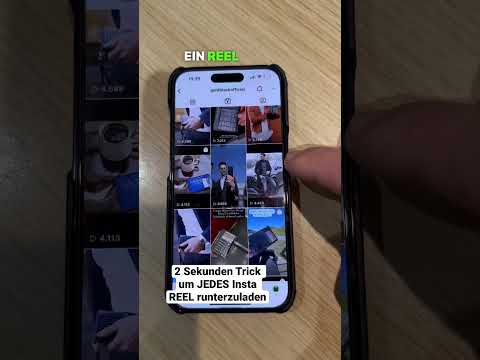
A downloader for Instagram posts is a tool that, at its core, captures a direct media file—like a photo, carousel, or video—from a public profile and saves it to your device. Instead of merely bookmarking or screenshotting, the downloader fetches the original file from Instagram’s CDN and stores it in your gallery, preserving its full resolution and original format. For a photographer, this means grabbing a high-quality shot for a mood board without losing sharpness; for a content creator, it means saving a reference video to review offline during a trip. The tool works by extracting the post’s unique URL, then pulling the embedded media link, which it routes to your browser’s download manager. That’s the entire function—instagram post downloader software doesn’t sync, edit, or re-upload anything; it simply bridges the gap between Instagram’s streaming environment and your local storage. The one crucial detail: it only works on public accounts unless you’re logged in and authorized.
Understanding the Core Functionality of a Media Saver Tool

Understanding the core functionality of a media saver tool revolves around its ability to parse the public Instagram page’s source code to isolate direct file URLs. Rather than re-encoding video or compressing images, the media saver tool acts as a direct link extractor, pulling the original binary data from Instagram’s CDN after you paste the post’s URL. The tool then packages this data for immediate download, preserving the original resolution and metadata where available. This process is stateless—no login or session is required for public content, and the tool does not store your history. The logic is purely retrieval-focused: strip the page, find the media endpoint, and hand you the file.
- Analyzes the post URL to identify whether it contains a single image, carousel, or video.
- Queries the Instagram GraphQL or web API endpoint to fetch the direct media file link.
- Bypasses obfuscated page wrappers to extract the original quality source without transcoding.
- Delivers the file as a binary stream for local saving, without altering EXIF or creation timestamps.
Differentiating Between Video, Reel, and Photo Extraction Options
When using an Instagram post downloader, the extraction option determines the file format and quality you receive. For a standard feed video, the tool pulls the MP4 file directly, preserving the original resolution and audio track. Reels, however, are often served as higher-bitrate streams, so a capable downloader must detect the reel’s CDN URL to avoid grabbing a compressed preview instead of the full clip. Photos present a simpler process: the tool grabs the original JPEG or WebP source, but you must choose between downloading a single image or all carousel slides. Crucially, selecting the correct extraction mode prevents file corruption, as choosing “photo” for a video link yields a broken file. Practical differentiation includes:
- Check if the tool lists separate buttons for “Video,” “Reel,” and “Photo” before pasting the link.
- For Reels, verify that the extracted file’s resolution matches the in-app playback quality (e.g., 1080p).
- For carousel posts, ensure the downloader extracts every slide as an individual photo, not a merged image.
- If a link contains mixed media, confirm that the tool auto-detects the dominant type and offers a manual override.
How to Save Content in Just a Few Clicks Without an App
To save content in just a few clicks without an app, an instagram post downloader accessed via your browser is your fastest route. Simply copy the post’s URL from the Instagram instagram video downloader app or site, paste it into the downloader’s field, and hit “Get” — the tool instantly fetches the media. You then choose between downloading the video as MP4 or the image in full resolution, often with a single click. No login, no installation, and no waiting.
The entire process takes under ten seconds, turning a cumbersome save task into a copy-paste reflex.
For carousels, most downloaders let you select individual slides or grab the entire album at once, ensuring you don’t lose a single frame. This works on phones, tablets, or desktops, so your saving workflow stays identical across devices.

Step-by-Step Process Using a Web-Based Grabber

To use a web-based grabber for an instagram post downloader, first copy the post’s URL from your browser’s address bar or the share sheet. Paste this link into the grabber’s input field, then click “Fetch” or “Get” to parse the page. Wait two to three seconds for the tool to extract the media file; the interface will display a thumbnail with format options. Select MP4 for video or JPG for images, then press the download button. The file saves directly to your device’s default Downloads folder, with no account required. For carousel posts, repeat the fetch process for each slide, as most web-based grabbers process one URL per request.
Pasting the Link: The Only Action You Need to Take
When you spot a reel or photo you love, just hit the copy-link button on Instagram—no app installation, no login, no extra steps. You then simply paste that URL into the downloader’s input field on your browser. This is the whole process: copy, paste, and download. That single action triggers the tool to fetch the media instantly, making link-paste downloaders the fastest zero-friction method available. You never need to leave your current tab or switch devices; the pasted link does all the heavy lifting. It eliminates messy screen recordings or complicated shortcuts, giving you a clean, direct file in seconds.
Q: Do I need to sign up before pasting the link? No—just paste the link and the download button appears immediately. That’s it.
Key Features to Look For in a Reliable Media Retrieval Service
When choosing an instagram post downloader, prioritize services that preserve original resolution for both photos and videos, avoiding recompression artifacts. A reliable media retrieval service must offer batch downloading, letting you grab multiple posts from a single profile or hashtag in one click—saving hours of manual work. Look for direct MP4 output instead of forcing you through third-party converters, and ensure it handles carousels by fetching every slide, not just the first. Crucially, test for stability with private or deleted content; the best tools fail gracefully with clear error messages rather than corrupt files.
An invisible watermark or silent metadata strip is a red flag—your downloads must remain bit-for-bit identical to the original upload.
Finally, a trustworthy service works without demanding your login credentials, keeping your account safe.
Why High-Resolution Output and Original Quality Matter
When choosing an Instagram post downloader, high-resolution output and original quality directly determine whether the saved file is usable or a pixelated disappointment. A reliable tool preserves the exact resolution, color profile, and metadata of the source—critical for re-posting, archiving, or printing. Without this, a 1080px image gets downscaled to a blurry thumb, and videos lose sharpness, audio sync, or frame rate. Lossless retrieval ensures you receive the same bitrate and aspect ratio as Instagram’s CDN delivers, not a recompressed proxy. For photos, this means retaining fine detail in skin tones or textures; for Reels, it prevents stuttering or blocky artifacts. Always verify that the output matches the original size—checksum or byte count—before downloading multiple files in batch.
- Compare the downloaded file’s dimensions and file size against the source post.
- Test a video’s playback on a large screen to detect any quality drop.
- Confirm the tool does not strip EXIF or GPS data if that matters to you.
Batch Downloading and Watermark-Free Extractions
A reliable Instagram post downloader must prioritize batch downloading and watermark-free extraction for efficient content archiving. Batch functionality allows you to select multiple posts, reels, or carousel items simultaneously, stripping metadata clutter and saving each file in original resolution without manual, one-by-one clicks. Watermark-free extraction ensures that downloaded videos and images retain the creator’s native aspect ratio, color grading, and audio sync—critical for repurposing or offline review. For a smooth workflow, verify the tool’s queue limits before use: first, confirm it supports mixed media types in a single batch; second, check if it preserves EXIF data while removing platform overlays; third, test the download speed on a 10-post batch to ensure no forced pauses. Always preview one sample file to confirm the absence of embedded URLs or account handles before committing to a large extraction.
What Are the Hidden Limits and Safe Usage Tips You Should Know?
When using an Instagram post downloader, the hidden limits often involve content protection and format restrictions. Private accounts, stories older than 24 hours, and Reels with regional licensing blocks frequently fail to download, while high-resolution versions of photos may be capped at 1080px. Another quiet constraint is that some tools only grab the caption or audio, not both. For safe usage, always log out of your main account before pasting a profile link to avoid a temporary action block from Instagram’s rate limiting. Use a reliable, ad-free web-based downloader rather than random browser extensions, which can inject malware or steal login tokens. Finally, download only your own content or posts with explicit permission—this respects the creator’s control, preventing account flags or legal pushback. Never input your password into any third-party download interface, even if it promises faster processing.
Privacy Concerns and How to Protect Your Own Account While Downloading
Using third-party Instagram downloaders can expose your credentials if you log in through their portals, so protect your own account by never entering your Instagram password on any downloader site. Stick to tools that only require a public post URL, avoiding any service that asks for authentication. Before pasting a link, verify the site uses HTTPS and has a clear privacy policy; a sudden redirect to a login page is a red flag. To further shield your data, clear your browser cookies after each download and use a VPN to mask your IP address. Finally, check your Instagram login activity weekly and revoke access to any suspicious sessions immediately.
- Copy only the post URL, never your profile credentials.
- Close all other tabs before accessing the downloader to prevent session hijacking.
- Log out of Instagram on your browser before pasting the link.
Dealing with Private Profiles and Expired or Broken Links
Private profiles are a hard boundary for any Instagram post downloader; you can only save content from accounts you actually follow, and even then, the tool is limited to what your logged-in session can see. For expired or broken links, the cause is usually a deleted post, a changed username that invalidates the old URL, or a story that has passed its 24-hour window. Before troubleshooting, always re-copy the link from the app, as a truncated or partial URL is a common breakage. Handling expired or broken links means checking if the post still exists in your feed, then trying the downloader again with a fresh, full link. A short retry delay often fixes temporary server hiccups; if the link still fails, the source content is gone.

- Verify the original post is still live by opening it in your own Instagram app before re-pasting the link.
- For stories, attempt the download before the 24-hour expiry; after that, the link is permanently dead.
- If a username changed, replace the old handle in the URL with the new one before copying it into the downloader.
- Always clear the downloader’s cache or paste box, as stored, stale links can return a false “expired” error.
How to Choose the Best Downloader for Your Specific Device
Start by checking your device’s operating system—iOS users need a downloader that works with the Share Sheet or Shortcuts, while Android users benefit from apps that integrate directly into the browser for one-tap saves. For desktops, a browser extension is often lighter and safer than standalone software, but verify it supports the exact Instagram post format you need (reels, carousels, or single images). Always test the downloader with a low-stakes post before committing, as some tools silently degrade video quality on older hardware. Also, confirm the app’s memory footprint; a bloated downloader can slow a budget phone. Q&A: “How do I know if a downloader fits my device?” — Check the developer’s listed OS version requirements and read recent user reviews mentioning your specific phone model or browser version, because compatibility often breaks after Instagram updates.
Comparing Browser Extensions Versus Standalone Download Portals
When choosing an Instagram post downloader, browser extensions offer unmatched speed—click the icon while scrolling and the media saves instantly without leaving the feed. However, they can break after Instagram updates and often struggle with high-resolution videos or carousels. Standalone portals, by contrast, require copying the link, but they handle batch downloads, full-resolution files, and Reels reliably across every device. The core tradeoff is convenience versus robustness: extensions excel for quick, single grabs, while portals shine for bulky or archival work. For mobile users, portals integrate better since iOS and Android browsers restrict extension permissions. Test both—use an extension for casual saves, but keep a portal bookmarked for bulk archiving or technical failures.
| Aspect | Browser Extension | Standalone Portal |
|---|---|---|
| Speed | Instant inline | Copy-paste required |
| Reliability | Fragile after updates | Stable, server-based |
| Mobile support | Poor on iOS/Android | Works via browser |
| Batch capacity | Single items | Multiple media |
Mobile Compatibility: Saving Directly to Your Phone’s Gallery
When picking an Instagram post downloader for your phone, prioritize options that write files straight into your device’s native Gallery or Photos app. This eliminates the need to manually move clips from a separate in-app folder, saving you time and frustration. Direct gallery saving ensures your downloads appear instantly among your camera roll, ready for editing or sharing. Verify that the tool respects your platform’s storage permissions—Android users may need to grant “Allow access to media,” while iOS demands full photo library access. Even a great downloader becomes useless if it buries your content in a hidden sandbox you forget to check. Test with a single post first to confirm the file lands where you expect.
- Check that the app saves in high-resolution, not compressed previews.
- Look for automatic folder organization, like “Instagram” sub-albums.
- Ensure the downloader supports background saving without keeping the screen on.
- Confirm the saved file retains its original timestamp or reel metadata.
Getting the Most Out of a Media Saver: Practical Advice
To get the most out of an Instagram post downloader, start by checking the quality settings before you save—always pick the original resolution instead of the compressed preview. Organize your downloads immediately by renaming files with the creator’s handle and date, so your gallery doesn’t turn into a chaotic mess. Use batch download for carousels and Reels, but resist grabbing entire profiles at once, since that clogs storage and makes finding a specific clip a headache later. Keep your app updated to handle Instagram’s frequent layout tweaks, and test a single post first to confirm the tool captures audio or alt-text correctly. Prioritize direct “save to device” options over copy-paste links to avoid broken files. Delete duplicates weekly to keep your media library lean and actually usable.
Maintaining Storage Space and Organizing Downloaded Files
To keep your phone from turning into a digital junk drawer, make a habit of pruning your downloads weekly—delete blurry reposts or memes you’ve already laughed at. Instead of saving everything to one massive camera roll, create dated folders like “2025/May” or theme-based ones for recipes and quotes, so you can find that perfect carousel post in seconds. A quick rename, adding the creator’s handle, also prevents duplicate saves. Finally, use your device’s built-in storage analyzer to spot oversized video files you forgot about, and move the keepers to a cloud drive. That way, efficient downloaded file organization keeps your gallery fast and frustration-free.
Troubleshooting Common Errors and Speed Issues
When an Instagram post downloader fails, the first check is always the link format—copy the post URL directly from the address bar, not a share menu shortcut, as truncated links cause parse errors. If videos stall at low speed, the bottleneck is usually server throttling, so pause other downloads and retry during off-peak hours; also confirm your network’s DNS isn’t blocking media CDNs. For repeated “media not found” errors, clear the app cache and re-authenticate your session, since expired tokens silently break fetch requests. A hard refresh or switching from Wi-Fi to mobile data isolates whether the issue is local caching or ISP-level filtering. If a downloader returns partial files, check that you’re not exceeding its size limit for reels—split long videos into segments or use a dedicated high-resolution mode. Finally, sequential retries with exponential backoff resolve transient 429 rate-limit errors better than rapid clicking.